Skip to content
Africa’s Most Iconic Predators:From Tiny Cubs to Kings of The Savannah
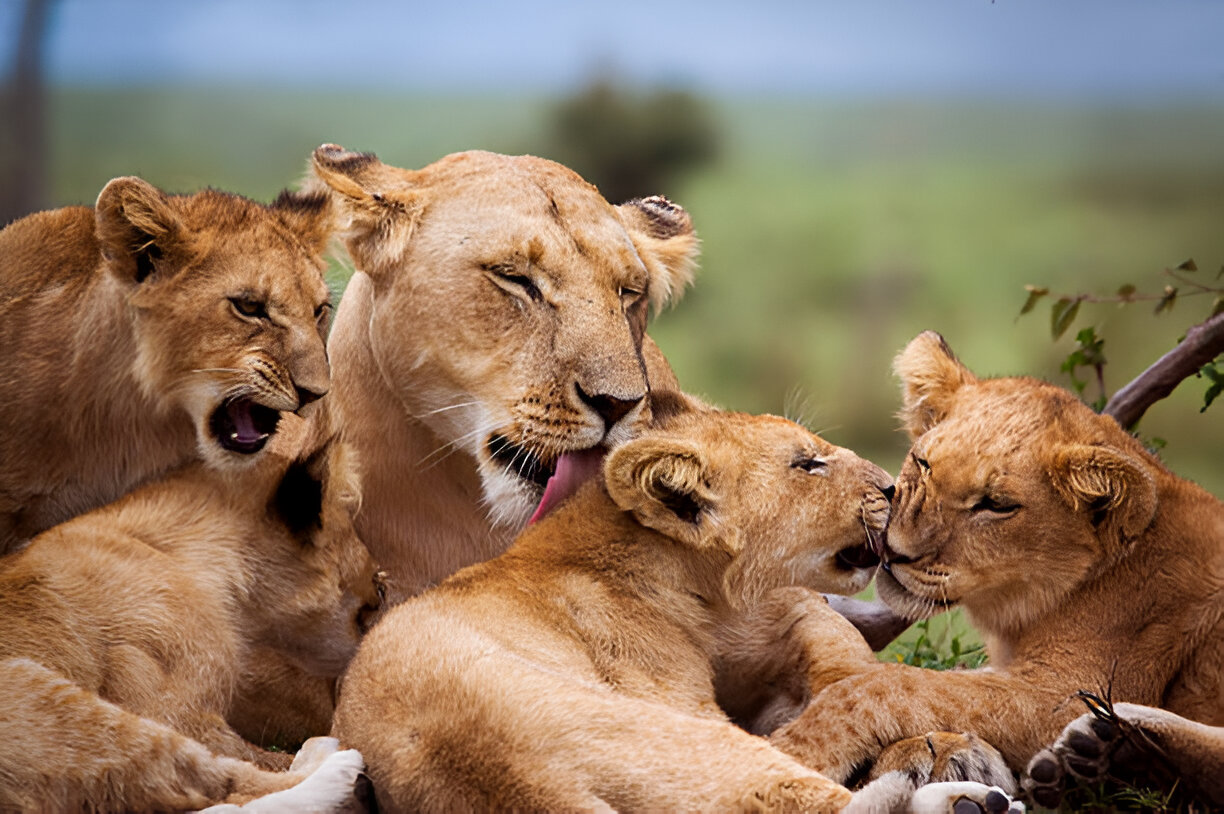
Africa’s Most Iconic Predators From Tiny Cubs to Kings of the Savannah
When visitors embark on a Kenyan safari, one of the most thrilling wildlife sightings is undoubtedly the lion. Known as the “King of the Jungle,” despite living primarily in grasslands and savannahs, the lion symbolizes strength, courage, and the untamed beauty of Africa.
At Rilassante Tours, we believe that every safari is more meaningful when you understand the incredible stories behind the wildlife you encounter. Let’s take a closer look at the life cycle and gestation period of one of Africa’s most fascinating animals.
Africa’s Most Iconic Predator
How Long Is a Lion’s Gestation Period?
A lioness carries her cubs for approximately 110 days, or about three and a half months. Before giving birth, she temporarily leaves her pride to find a secluded and safe location where she can raise her newborn cubs away from potential threats.
A typical litter consists of two to four cubs, although some lionesses may give birth to as many as six cubs. Unfortunately, not all cubs survive to adulthood due to predators, disease, and competition for resources. Kenya Wildlife Service
The Birth of Lion Cubs Africa’s Most Iconic Predators
Lion cubs are born blind and completely dependent on their mother. Weighing only 1 to 2 kilograms at birth, they spend their first few weeks hidden in a den while the lioness provides constant protection and nourishment.
Their eyes begin to open within the first week, and they gradually become more active as they grow stronger. During this period, the lioness remains extremely protective and rarely leaves her cubs unattended.
Growing Up in the Pride
At around six to eight weeks old, lion cubs are introduced to the rest of the pride. This marks the beginning of an important social journey.
Lions are among the most social big cats in the world. Cubs are often cared for collectively by multiple lionesses within the pride, creating a strong support system that increases their chances of survival.
By the age of three months, cubs begin accompanying adults on short movements around the territory. As they grow, they learn critical survival skills through observation, play, and practice.
Learning the Art of Hunting
Between six months and two years of age, lion cubs undergo intensive learning. They observe experienced hunters, practice stalking techniques, and develop the coordination needed to capture prey.
Play fighting among cubs serves an important purpose. What appears to be simple fun is actually preparation for future territorial disputes, hunting challenges, and pride dynamics.
Reaching Adulthood
Female lions typically remain with their birth pride for life, helping to raise future generations. Male lions, however, usually leave the pride between the ages of two and four years.
Young males often form coalitions with brothers or other males and spend several years wandering before attempting to establish or take over a territory.
A successful male lion may eventually lead a pride and pass on his genes to the next generation of cubs.
Africa’s Most Iconic Predators
How Long Do Lions Live?
In the wild, female lions typically live between 10 and 15 years, while males generally live between 8 and 12 years due to the intense competition associated with defending territories and prides.
In protected environments such as wildlife conservancies and national parks, lions can sometimes live beyond 20 years.
Where Can You See Lions in Kenya?
Africa’s Most Iconic Predators
Kenya offers some of Africa’s best lion-viewing opportunities. Popular destinations include:
- Maasai Mara National Reserve
- Nairobi National Park
- Amboseli National Park
- Tsavo East National Park
- Tsavo West National Park
- Samburu National Reserve
- Ol Pejeta Conservancy
The Great Migration season in the Maasai Mara is particularly rewarding, as lions take advantage of the abundance of prey moving across the ecosystem. Africa’s Most Iconic Predators
Experience Kenya’s Wildlife with Rilassante Tours and Travel
Africa’s Most Iconic Predators African Wildlife Foundation
Great Wildebeest Migration in Kenya
There is nothing quite like witnessing a lioness caring for her cubs or observing a pride resting beneath an acacia tree after a successful hunt. These unforgettable moments offer a deeper appreciation for the remarkable life cycle of Africa’s most celebrated predator.
At Rilassante Tours, we create immersive safari experiences that bring you closer to Kenya’s incredible wildlife while supporting responsible tourism and conservation efforts.
Whether you’re planning your first safari or returning to explore more of Kenya’s natural wonders, our expert-guided journeys ensure every wildlife encounter becomes a story worth remembering.
Book Your Safari Today. Luxury Safaris Kenya
Website: www.rilassantetours.com
Email: inquiries@rilassantetours.com
Kenya: +254 793 986 000
USA: +1 940 364 9257
Follow Rilassante Tours and Travel on social media for more wildlife stories, safari tips, and unforgettable Kenyan adventures.