Skip to content
How Long Is an African Elephant Pregnant? Fascinating Big Five Safari Facts
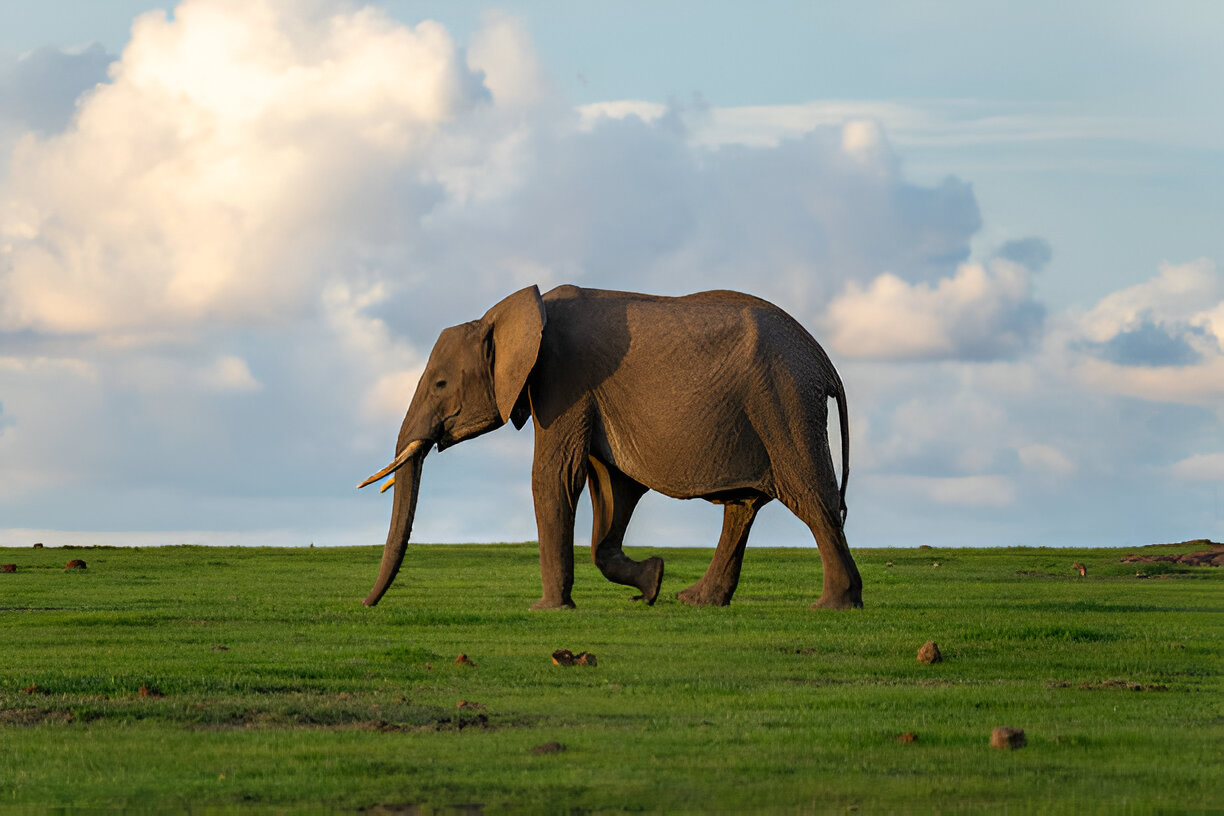
How long is an African elephant pregnant? It’s one of the most fascinating questions wildlife enthusiasts ask before embarking on a safari. The answer is an astonishing 22 months, making the African elephant the land mammal with the longest gestation period in the world.
This extraordinary pregnancy allows elephant calves to develop strong bones, advanced brains, and the strength to walk shortly after birth. It is one of the many reasons African elephants are among the most remarkable animals to encounter in the wild.
How long is an African elephant pregnant?
If you’ve ever wondered, “How long is an African elephant pregnant?”, the answer may surprise you. An African elephant carries its calf for approximately 22 months, making it the longest pregnancy of any land mammal.
This remarkable fact is just one of the many reasons elephants are among the most fascinating animals to encounter on a Kenya safari. Their intelligence, close family bonds, and gentle nature make every sighting unforgettable.
At Rilassante Tours & Travel, we believe that every safari should be more than just spotting wildlife—it should be an opportunity to learn about the incredible animals that call Kenya home.
How Long Is an African Elephant Pregnant?
An African elephant’s gestation period lasts about 22 months, or nearly two years.
Compared to other members of Africa’s famous Big Five, this is by far the longest pregnancy.
Here’s how the Big Five compare:
For comparison, a rhinoceros is pregnant for about 15 to 16 months, an African buffalo carries its calf for approximately 11 months, a lion’s pregnancy lasts around 110 days (about three and a half months), while a leopard’s gestation period is only 90 to 105 days (around three months).
The elephant’s lengthy pregnancy allows the calf to develop fully before entering the wild, where survival depends on being able to move with the herd almost immediately after birth.
How Long Is an African Elephant Pregnant Compared to Other Big Five Animals?
How long is an African elephant pregnant compared to the other members of Africa’s Big Five? The African elephant has the longest gestation period by far, carrying its calf for approximately 22 months. This is significantly longer than the pregnancies of the other Big Five animals.
For comparison, a rhinoceros is pregnant for about 15 to 16 months, while an African buffalo carries its calf for around 11 months. Lions have a much shorter gestation period of approximately 110 days, and leopards are pregnant for only 90 to 105 days.
The African elephant’s remarkably long pregnancy allows the calf to develop a highly advanced brain, strong muscles, and sturdy bones before birth. This extra time in the womb helps newborn calves stand within an hour of being born and quickly follow their mothers and the herd, giving them a better chance of surviving in the wild.
This extraordinary adaptation is one of the many reasons the African elephant is considered one of the most fascinating animals to encounter on a Kenya safari. Witnessing elephant families in destinations such as Amboseli National Park, the Maasai Mara, or Tsavo National Park offers travelers a unique opportunity to observe these gentle giants and appreciate the incredible journey that begins long before a calf takes its first steps.
Why Are Elephants Pregnant for So Long?How Long Is an African Elephant Pregnant
Elephants are the largest land mammals on Earth, and raising a healthy calf requires an extraordinary amount of development before birth.
During the 22-month pregnancy, the calf develops:
* A highly advanced brain.
* Strong muscles and bones.
* A well-developed nervous system.
* The ability to stand and walk shortly after birth.
* Essential instincts needed for survival.
When an elephant calf is born, it typically weighs between 90 and 120 kilograms, making it one of the largest newborn mammals in the world.
The Importance of Elephant Family Bonds
Elephants are known for their remarkable social structure.How Long Is an African Elephant Pregnant
A herd is led by an experienced female called the matriarch, who guides the family to food, water, and safety. Mothers receive help from older sisters, aunts, and other females—often called “allomothers”—who assist in protecting and caring for newborn calves.
Watching these family interactions during a safari is one of the most touching wildlife experiences you can have.
Where Can You See African Elephants in Kenya?
Kenya is one of Africa’s top safari destinations for seeing elephants in their natural habitat.
Some of the best places include:
Amboseli is famous for its large elephant herds and breathtaking views of Mount Kilimanjaro. It is one of the best destinations in Africa for elephant photography.
Tsavo East and Tsavo West National Parks
Tsavo is home to the famous “red elephants,” which appear reddish after dust bathing in the region’s rich red soil.
While renowned for the Great Wildebeest Migration, the Maasai Mara is also home to healthy elephant populations that can often be seen roaming the plains.
Samburu National Reserve
Located in northern Kenya, Samburu offers a unique safari experience where elephants thrive alongside other rare northern species.
Ol Pejeta Conservancy
Ol Pejeta combines exceptional wildlife viewing with inspiring conservation efforts, making it an excellent destination for families and wildlife enthusiasts.
Why Elephant Conservation Matters
Although African elephants are iconic, they continue to face challenges such as habitat loss, human-wildlife conflict, and illegal poaching.
Because female elephants give birth only once every four to six years, their populations recover slowly. Every calf plays an important role in securing the future of the species.
By choosing responsible safari operators and supporting conservation-focused destinations, travelers help protect elephants and their habitats for generations to come.
Why does an African elephant have such a long pregnancy?
Fascinating Elephant Facts
Here are a few incredible facts about African elephants:
* They have the longest pregnancy of any land mammal.
* Elephant calves can stand within an hour of being born.
* Elephants use their trunks for breathing, drinking, eating, and communicating.
* They communicate through low-frequency sounds that can travel several kilometers.
* Elephant herds are led by experienced females rather than males.
* Their exceptional memory helps them remember migration routes and reliable water sources.
Experience Kenya’s Giants with Rilassante Tours & Travel
There’s nothing quite like watching a newborn elephant follow its mother across the African savannah. It’s a reminder of nature’s resilience, beauty, and the incredible journey every elephant begins after nearly two years of development.
Whether you’re dreaming of seeing elephants beneath Mount Kilimanjaro in Amboseli, witnessing the wildlife spectacle of the Maasai Mara, or exploring the vast wilderness of Tsavo, Rilassante Tours & Travel is here to create an unforgettable safari tailored to your interests.
Our experienced team designs personalized Kenya safaris that combine breathtaking wildlife encounters, comfortable accommodations, knowledgeable guides, and authentic cultural experiences.
Ready to experience Africa’s Big Five and witness the world’s largest land mammals in their natural habitat? Contact Rilassante Tours & Travel today and let us help you plan the safari of a lifetime.